All Activity
Yesterday
-
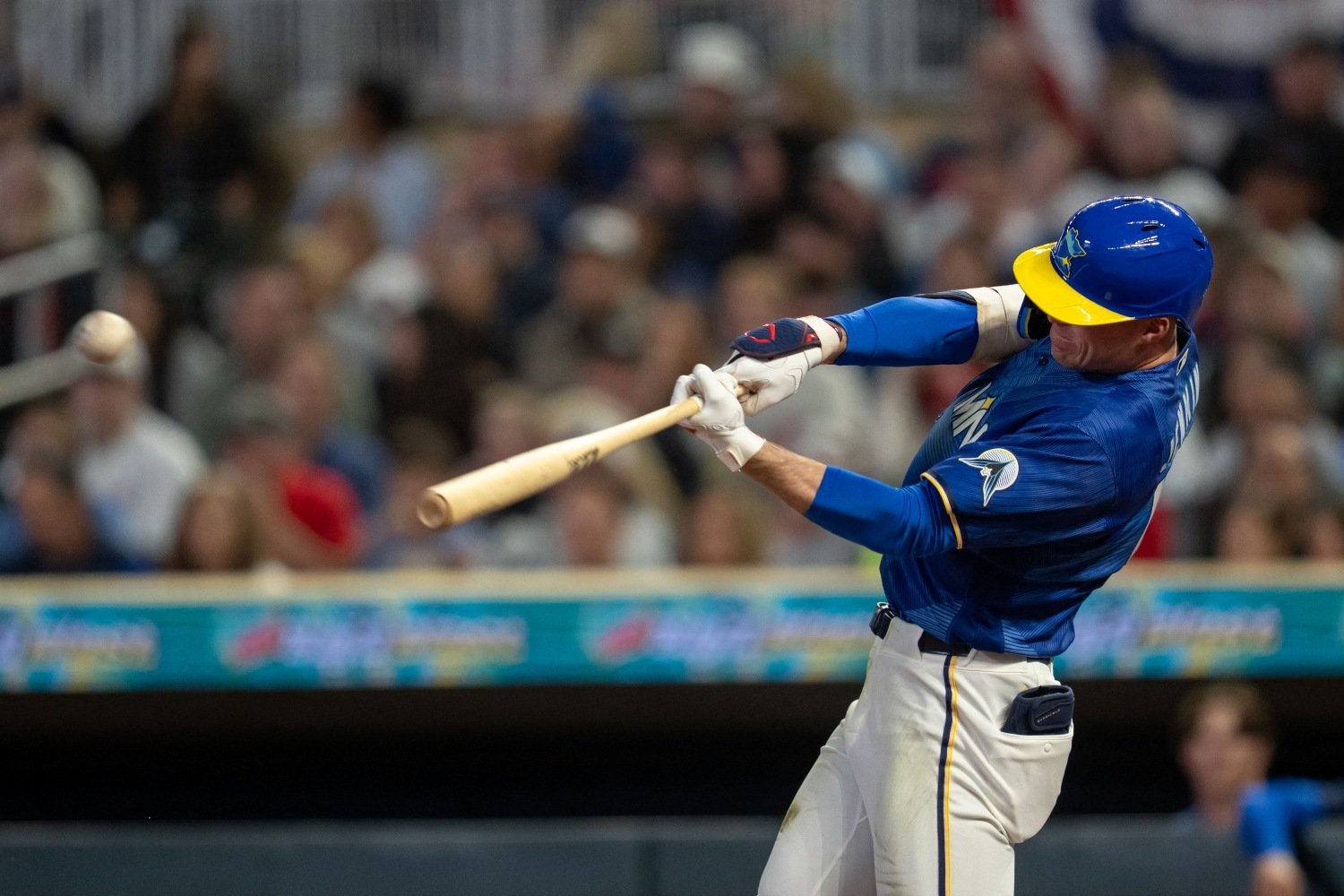 Walker Jenkins entered the 2026 season as one of the top-20 prospects in baseball, and he did plenty to live up to that billing throughout the year. The young outfielder crushed Triple-A pitching, posting a .939 OPS across 307 plate appearances with the St. Paul Saints before earning his promotion to the Minnesota Twins on August 28. While Jenkins got off to a slow start during his introduction to major-league pitching, things began to click during a September series against the Los Angeles Angels. From that four-game series through the end of the season, Jenkins posted a 1.015 OPS, with three home runs in 40 plate appearances. It was an impressive finish for a player who looked increasingly comfortable at the plate as the season went along. By the time the season came to an end, Jenkins had given Twins fans plenty of reasons to be excited about what the future holds. He showed the offensive potential that made him such a highly regarded prospect, and his late-season performance certainly made a strong case that he belongs in the majors. Heading into the offseason, it would be easy to pencil Jenkins into a starting outfield spot for 2027 and assume that his place on the Opening Day roster is all but guaranteed. Yet, despite everything Jenkins accomplished in 2026, there is a very real possibility that he could begin the 2027 season in Triple-A. That might sound crazy when considering his prospect pedigree and the way he finished the season, but the possibility has less to do with Jenkins himself and more to do with the way Minnesota's roster is constructed. There are some difficult decisions ahead for the Twins in the outfield, and one of them could involve temporarily sending their young phenom back to St. Paul. Looking at the projected outfield, there are three players who appear to be locks for the Opening Day roster. Byron Buxton will have a starting spot (if healthy), while Luke Keaschall and Emmanuel Rodriguez should also be in the mix. Rodriguez is particularly important to this discussion because he's out of minor-league options and needs to make the roster to avoid being exposed to waivers. That leaves two additional outfield spots if the Twins decide to carry five outfielders, with Jenkins and Alan Roden being the most obvious internal candidates. The problem is that both Jenkins and Roden are left-handed hitters. Certainly, the Twins could decide to roll with both players and enter the season with an outfield consisting of Buxton, Keaschall and Jenkins as starters, with Rodriguez and Roden providing depth off the bench. However, that would leave Minnesota with two left-handed outfielders on the bench and continue a roster construction problem that has plagued this organization for years. The Twins have consistently struggled to find a legitimate right-handed power bat capable of providing some punch off the bench, particularly when opposing managers bring in left-handed relievers late in games. Carrying two left-handed outfielders as reserves would do little to address that weakness. For that reason, I think there is a good chance the Twins make finding a right-handed outfielder one of their priorities this offseason. It's a roster need that has gone unaddressed for far too long, and adding a player who can provide some power against left-handed pitching would give the team another weapon late in games. It doesn't need to be a major free-agent acquisition, either. The Twins could look for an affordable veteran who can handle a reserve role while giving the lineup a different look when needed. Assuming Minnesota does bring in a right-handed outfielder, the projected group suddenly becomes a little more crowded. Buxton, Keaschall, Rodriguez and the new addition would occupy four of the five available spots, leaving one final opening between Jenkins and Roden. At first glance, that decision would seem incredibly easy. Jenkins is the higher-ceiling prospect, is significantly younger and just demonstrated that he can be productive against Major League pitching. Why would the Twins send him back to Triple-A in favor of Roden? There is actually a reasonable argument for considering it. Roden finished the 2026 season on an encouraging note, slashing .381/.471/.571 over his final 16 games. He will also be 27 years old when the 2027 season begins, and next year marks his final minor-league optionable season. Minnesota traded for Roden because the organization believes there is something worth developing, and the team needs to find out what it has in the young outfielder. Leaving him in Triple-A for another season would do little to accomplish that. Jenkins, meanwhile, is only 21 years old. While he certainly has a strong argument for an Opening Day roster spot, the Twins could make the case that another stretch of development in Triple-A would benefit him more than it would Roden. Jenkins already has significant experience at that level, but another month or two of consistent at-bats wouldn't necessarily be a bad thing for a player who is still so early in his professional career. Roden has accumulated more than 1,500 minor-league plate appearances, and the organization has to start determining whether he can translate his production into a consistent Major League role before his final option year disappears. The Twins have to consider more than simply putting their five most talented outfielders on the Opening Day roster. If the organization wants to add a right-handed bench bat while also finding out what it has in Roden, there might not be enough room for everybody. Believe it or not, even after the way he finished 2026, Walker Jenkins could find himself back in Triple-A when the 2027 season begins. What do you think? Should the Twins prioritize getting Walker Jenkins into the Opening Day lineup, or would it make sense to give Alan Roden another opportunity while Jenkins gets a little more seasoning in Triple-A? Leave a comment below and start the conversation!
-
Click here to build your own blueprint.
-
LeoMorgenstern joined the community
-
Love this title. Great read!
-
Brewer FanaticTo Unlock Former Closer's Upside, Brewers Need to Help Ry...The Brewers love sinkers. In Ryan Walker, they just traded for an effective one—if they can get him to throw it to both sides of the plate again.
-
Testing testing a link thing.
-
 Brandon Glick reacted to a post in a topic:
Brandon Glick's 2027 Payroll Blueprint: But What If Tarik Skubal Catches Himself?
-
I like that catcher Tarik is paid slightly more than pitcher Tarik.
-
Click here to build your own blueprint.
-
Glonk joined the community
-
Brandon Glick joined the community
-
Am I drunk? Click here to build your own blueprint.
-
Testing the image! Position Players C: Victor Caratini ($7.00M) 1B: Tarik Skubal ($48.00M) 2B: Luke Keaschall ($1.00M) 3B: Brooks Lee ($1.00M) SS: Kaelen Culpepper ($1.00M) LF: Trevor Larnach ($6.30M) CF: Byron Buxton ($15.00M) RF: Walker Jenkins ($1.00M) DH: Kody Clemens ($3.60M) OF: Emmanuel Rodriguez ($1.00M) Util: Austin Martin ($1.00M) Util: Freddie Freeman ($1.00M) C: Alex Jackson ($2.00M) POS: Add Dead Money ($0.00M) Pitchers SP1: Pablo Lopez ($21.50M) SP2: Joe Ryan ($9.60M) SP3: Dean Kremer ($6.50M) SP4: Bailey Ober ($6.90M) SP5: Taj Bradley ($4.50M) RP: Jeff Hoffman ($7.25M) RP: Anthony Banda ($2.30M) RP: Tommy Nance ($1.20M) RP: Yoendrys Gomez ($1.00M) RP: Shohei Ohtani ($1.00M) RP: Travis Adams ($1.00M) RP: Andrew Morris ($1.00M) RP: Zebby Matthews ($1.00M) POS: Add Dead Money ($0.00M) Dead Money 3B: Carlos Correa ($10.00M) Total: $163.65M · Budget: $140.00M Payroll is 14.45% over budget
Last week
-
I'm trading for guys, and going nuts, and doing the stuff. Position Players C: Victor Caratini ($7.00M) 1B: Kody Clemens ($3.60M) 2B: Luke Keaschall ($1.00M) 3B: Brooks Lee ($1.00M) SS: Kaelen Culpepper ($1.00M) LF: Trevor Larnach ($6.30M) CF: Byron Buxton ($15.00M) RF: Walker Jenkins ($1.00M) DH: George Springer ($12.75M) OF: Emmanuel Rodriguez ($1.00M) Util: Austin Martin ($1.00M) Util: Ryan Kreidler ($1.00M) C: Shea Langeliers ($8.70M) POS: Add Dead Money Here ($0.00M) Pitchers SP1: Pablo Lopez ($21.50M) SP2: Joe Ryan ($9.60M) SP3: Dean Kremer ($6.50M) SP4: Zac Gallen ($10.00M) SP5: Taj Bradley ($4.50M) RP: Jeff Hoffman ($7.25M) RP: Brent Suter ($5.00M) RP: Adrian Morejon ($20.00M) RP: Yoendrys Gomez ($1.00M) RP: Kody Funderburk ($1.00M) RP: Travis Adams ($1.00M) RP: Andrew Morris ($1.00M) RP: Zebby Matthews ($1.00M) POS: Add Dead Money Here ($0.00M) Dead Money 3B: Carlos Correa ($10.00M) Total: $159.70M · Budget: $140.00M Payroll is 12.34% over budget
-
This roster is trash, yo. Position Players C: Victor Caratini ($7.00M) 1B: Royce Lewis ($5.10M) 2B: Luke Keaschall ($1.00M) 3B: Brooks Lee ($1.00M) SS: Kaelen Culpepper ($1.00M) LF: Trevor Larnach ($6.30M) CF: Byron Buxton ($15.00M) RF: Walker Jenkins ($1.00M) DH: Kody Clemens ($3.60M) 4th OF: Emmanuel Rodriguez ($1.00M) Utility: Austin Martin ($1.00M) Utility: Ryan Kreidler ($1.00M) Backup C: Alex Jackson ($2.00M) POS: Add Dead Money Here ($0.00M) Pitchers SP1: Pablo Lopez ($21.50M) SP2: Joe Ryan ($9.60M) SP3: Dean Kremer ($6.50M) SP4: Bailey Ober ($6.90M) SP5: Taj Bradley ($4.50M) RP: Jeff Hoffman ($7.25M) RP: Anthony Banda ($2.30M) RP: Tommy Nance ($1.20M) RP: Yoendrys Gomez ($1.00M) RP: Kody Funderburk ($1.00M) RP: Travis Adams ($1.00M) RP: Andrew Morris ($1.00M) RP: Zebby Matthews ($1.00M) POS: Add Dead Money Here ($0.00M) Dead Money 3B (retained): Carlos Correa ($10.00M) Total: $120.75M · Budget: $140.00M Payroll is 13.75% under budget
-
-
Lol … I started two identical threads and merged them.
-
Edwardjen joined the community
-
Minnesota already has a terrific rotation, but Skubal could take that group to another level in pursuit of another World Series title. What if the Minnesota Twins signed Tarik Skubal? Sure, small-market teams such as the Twins don't go after the biggest of big-name free agents, but this would be a move that would invigorate a franchise in need of a spark. Skubal is inherently familiar with a lot of the Twins' setup from his six-plus seasons with the Detroit Tigers. The Twins already have a decent rotation with right-handers Joe Ryan, Bailey Ober, Taj Bradley, Dean Kremer and Zebby Matthews, with left-hander Connor Prielipp also an option. Signing Skubal could also make it more palatable to Twins fans to trade away Joe Ryan, perhaps to fill an offensive weakness. That could also lure Ryan Jeffers to come back to the Twins, whether it is on the $23.15 million qualifying offer for 2027 or on a multiyear contract. Regardless, it would be a bold move for the Twins that would help ownership show its commitment to a loyal fan base that is starving for a perennial contender in an AL Central Division that is very winnable each season. View full article
-
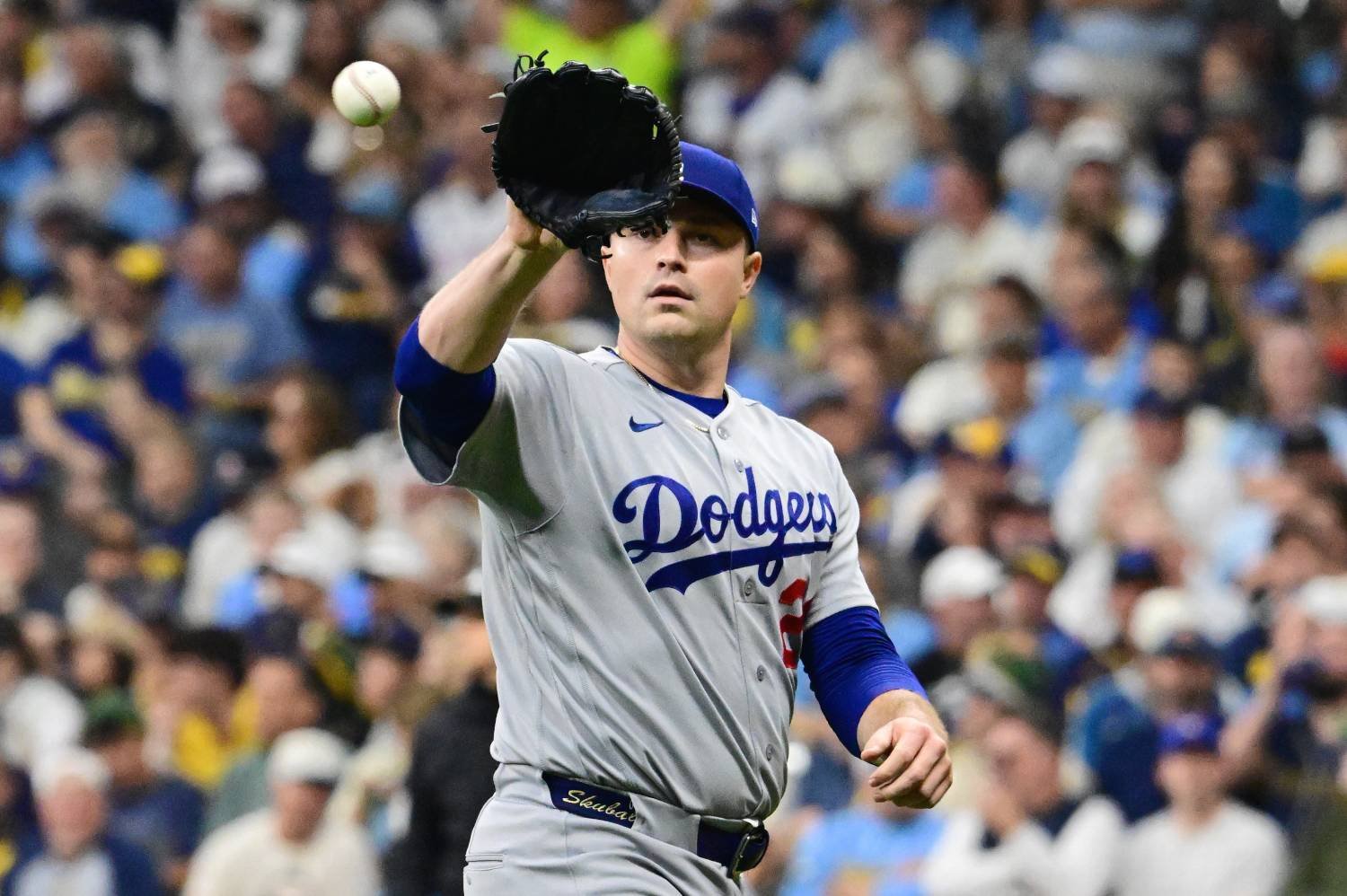 What if the Minnesota Twins signed Tarik Skubal? Sure, small-market teams such as the Twins don't go after the biggest of big-name free agents, but this would be a move that would invigorate a franchise in need of a spark. Skubal is inherently familiar with a lot of the Twins' setup from his six-plus seasons with the Detroit Tigers. The Twins already have a decent rotation with right-handers Joe Ryan, Bailey Ober, Taj Bradley, Dean Kremer and Zebby Matthews, with left-hander Connor Prielipp also an option. Signing Skubal could also make it more palatable to Twins fans to trade away Joe Ryan, perhaps to fill an offensive weakness. That could also lure Ryan Jeffers to come back to the Twins, whether it is on the $23.15 million qualifying offer for 2027 or on a multiyear contract. Regardless, it would be a bold move for the Twins that would help ownership show its commitment to a loyal fan base that is starving for a perennial contender in an AL Central Division that is very winnable each season.
-
-
-
-
Wish we had traded him back then. Too late now.
-
Squirrel changed their profile photo
-
Because racist Republican pedophiles need to go to jail
-
Hmmm

-
How can i break this?
-
Trade for Freddy Fermin!!!
-
Steve Drumwright joined the community
-
Testing replies and text editor on mobile.
-
Despite finishing 77-85, Minnesota enters the winter with one of baseball's most promising projected rosters. Now, the front office has to address several key needs to turn that potential into results. The Minnesota Twins have plenty of work to do this offseason after finishing the 2026 campaign with a disappointing 77-85 record. Between free agents departing and several holes that need to be addressed, the roster will look different when the team takes the field next spring. However, a recent MLB.com ranking suggests Minnesota might be closer to contention than its record indicates. Mike Petriello ranked all 30 MLB teams based on their projected 2027 rosters. Using Wins Above Replacement (WAR) projections from FanGraphs, the rankings examine where each organization stands as it enters the offseason. This isn't a ranking of last year's results. Instead, it provides a snapshot of the players currently projected to be on each team's roster before free-agent additions and other offseason moves. According to Petriello's rankings, the Twins are tied for eighth overall. That's a surprisingly strong position for a team that finished eight games below .500. Minnesota shares that ranking with the Tampa Bay Rays, the reigning American League champions, along with the Detroit Tigers and Toronto Blue Jays. Why Are the Twins Ranked So High?Petriello acknowledges that Minnesota's position in the rankings might surprise some fans. After all, this is a team that won only 77 games and struggled to establish much consistency throughout the season. However, the projections see something worth building around. The Twins don't have a lineup full of superstars, but they also don't have many glaring weaknesses in the projected batting order. Having a relatively balanced group of position players can make a significant difference when evaluating a roster's overall projected value. There are also some interesting young players who could help elevate that group. Petriello specifically points toward the projections for Kaelen Culpepper (3.1 fWAR) and Luke Keaschall (3.4 fWAR). There is certainly room to question how much optimism should be placed in those projections, but their potential contributions help explain Minnesota's ranking. The pitching staff also has some reasons for optimism. Taj Bradley (2.7 fWAR) took a significant step forward during his breakout campaign, giving the organization another intriguing arm near the top of its rotation. Joe Ryan (3.0 fWAR) remains an important part of the starting group, while Pablo López (1.8 fWAR) is expected to return and provide another major boost. Those three pitchers give Minnesota a foundation that could make the rotation one of its strengths in 2027. However, the projections also highlight how much work remains to build a reliable pitching staff behind them. Several Offseason Needs RemainBeing ranked among baseball's top eight projected rosters doesn't mean the Twins can sit back and enjoy the offseason. Petriello identifies several areas where Minnesota needs to make improvements. The departure of Ryan Jeffers creates an immediate need behind the plate. Jeffers has been an important part of the organization, and the Twins cannot simply assume the current catching situation will be enough to replace his production. They need to find another option who can handle a significant workload. Josh Bell is another major departure. He provided 21 home runs during the 2026 season, and Minnesota needs to find a way to replace that power. The Twins don't necessarily need to sign another first baseman with the same profile, but they need to add some offensive production to a lineup that already lacks many established stars. The bullpen might be the biggest overall concern. Minnesota needs multiple reinforcements to create a more dependable group of relievers. Losing A.J. Minter to free agency would add another challenge for a pitching staff that needs more reliable late-inning options. Starting pitching depth is another concern. Bradley, Ryan, and López provide an encouraging top three, but the organization cannot expect Bailey Ober, Zebby Matthews, and Dean Kremer to absorb hundreds of additional innings without finding more help. Injuries and workload management make starting rotation depth essential over a 162-game season. There is plenty of work ahead, but these are manageable needs for a team with an established foundation. How Does the Rest of the AL Central Compare?The Twins' ranking also provides an interesting look at the rest of the division. The Cleveland Guardians lead the AL Central representatives, ranking seventh overall. Minnesota and Detroit are tied for eighth, putting three division rivals among the top eight projected rosters in baseball. The Chicago White Sox come in at No. 20, while the Kansas City Royals rank 23rd. Cleveland remains near the top of the rankings despite having some significant pitching needs. Detroit also has plenty of work ahead, particularly with its rotation and bullpen. Meanwhile, Chicago and Kansas City have more roster questions to answer before they can be considered serious contenders. The AL Central could be an interesting division again in 2027, especially if Minnesota and Detroit can translate their projected roster value into more wins. The Twins Have Work to DoAn eighth-place preseason roster ranking doesn't guarantee anything. The Twins were projected to be more competitive in 2026 than their final record suggested, and projections are never a substitute for results on the field. Still, this ranking provides an encouraging starting point for Minnesota's offseason. The organization has young talent, intriguing starting pitching, and a lineup that projects to be relatively balanced. Those are important building blocks for a team hoping to return to postseason contention. Now comes the difficult part. The Twins need to replace the production of departing free agents, improve their bullpen, add catching help, and provide more depth to the rotation. Those moves will require resources and a willingness to improve the roster. Petriello's ranking offers a snapshot of where Minnesota stands before the Hot Stove season gets going. By the time spring training arrives, the Twins could look considerably different. The decisions made over the next several months will ultimately determine whether they remain a top-eight projected roster or fall further down the rankings heading into the 2027 campaign. Do you agree with the rankings? What additions could move Minnesota higher this winter? Leave a comment and start the discussion. View full article
-
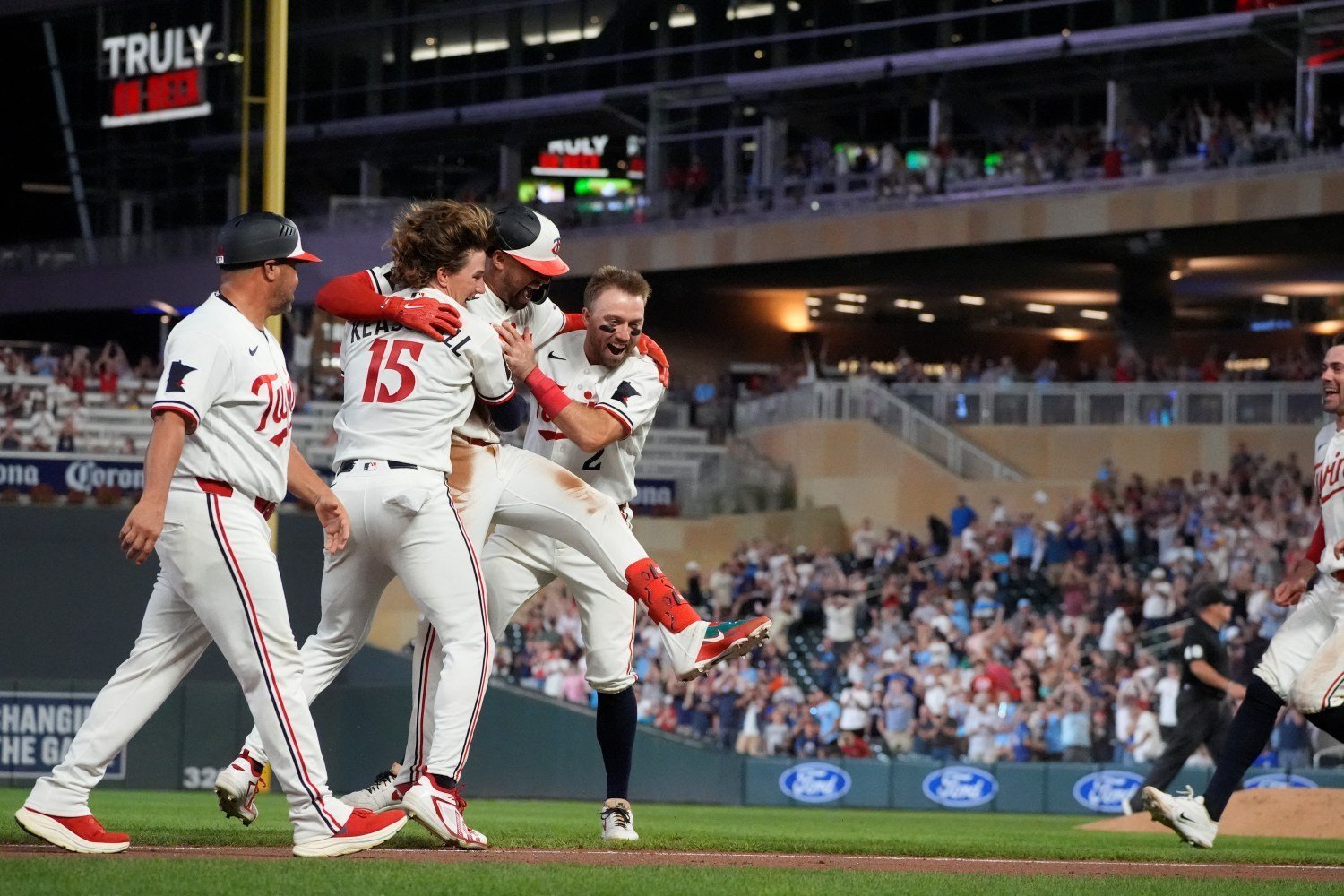 The Minnesota Twins have plenty of work to do this offseason after finishing the 2026 campaign with a disappointing 77-85 record. Between free agents departing and several holes that need to be addressed, the roster will look different when the team takes the field next spring. However, a recent MLB.com ranking suggests Minnesota might be closer to contention than its record indicates. Mike Petriello ranked all 30 MLB teams based on their projected 2027 rosters. Using Wins Above Replacement (WAR) projections from FanGraphs, the rankings examine where each organization stands as it enters the offseason. This isn't a ranking of last year's results. Instead, it provides a snapshot of the players currently projected to be on each team's roster before free-agent additions and other offseason moves. According to Petriello's rankings, the Twins are tied for eighth overall. That's a surprisingly strong position for a team that finished eight games below .500. Minnesota shares that ranking with the Tampa Bay Rays, the reigning American League champions, along with the Detroit Tigers and Toronto Blue Jays. Why Are the Twins Ranked So High?Petriello acknowledges that Minnesota's position in the rankings might surprise some fans. After all, this is a team that won only 77 games and struggled to establish much consistency throughout the season. However, the projections see something worth building around. The Twins don't have a lineup full of superstars, but they also don't have many glaring weaknesses in the projected batting order. Having a relatively balanced group of position players can make a significant difference when evaluating a roster's overall projected value. There are also some interesting young players who could help elevate that group. Petriello specifically points toward the projections for Kaelen Culpepper (3.1 fWAR) and Luke Keaschall (3.4 fWAR). There is certainly room to question how much optimism should be placed in those projections, but their potential contributions help explain Minnesota's ranking. The pitching staff also has some reasons for optimism. Taj Bradley (2.7 fWAR) took a significant step forward during his breakout campaign, giving the organization another intriguing arm near the top of its rotation. Joe Ryan (3.0 fWAR) remains an important part of the starting group, while Pablo López (1.8 fWAR) is expected to return and provide another major boost. Those three pitchers give Minnesota a foundation that could make the rotation one of its strengths in 2027. However, the projections also highlight how much work remains to build a reliable pitching staff behind them. Several Offseason Needs RemainBeing ranked among baseball's top eight projected rosters doesn't mean the Twins can sit back and enjoy the offseason. Petriello identifies several areas where Minnesota needs to make improvements. The departure of Ryan Jeffers creates an immediate need behind the plate. Jeffers has been an important part of the organization, and the Twins cannot simply assume the current catching situation will be enough to replace his production. They need to find another option who can handle a significant workload. Josh Bell is another major departure. He provided 21 home runs during the 2026 season, and Minnesota needs to find a way to replace that power. The Twins don't necessarily need to sign another first baseman with the same profile, but they need to add some offensive production to a lineup that already lacks many established stars. The bullpen might be the biggest overall concern. Minnesota needs multiple reinforcements to create a more dependable group of relievers. Losing A.J. Minter to free agency would add another challenge for a pitching staff that needs more reliable late-inning options. Starting pitching depth is another concern. Bradley, Ryan, and López provide an encouraging top three, but the organization cannot expect Bailey Ober, Zebby Matthews, and Dean Kremer to absorb hundreds of additional innings without finding more help. Injuries and workload management make starting rotation depth essential over a 162-game season. There is plenty of work ahead, but these are manageable needs for a team with an established foundation. How Does the Rest of the AL Central Compare?The Twins' ranking also provides an interesting look at the rest of the division. The Cleveland Guardians lead the AL Central representatives, ranking seventh overall. Minnesota and Detroit are tied for eighth, putting three division rivals among the top eight projected rosters in baseball. The Chicago White Sox come in at No. 20, while the Kansas City Royals rank 23rd. Cleveland remains near the top of the rankings despite having some significant pitching needs. Detroit also has plenty of work ahead, particularly with its rotation and bullpen. Meanwhile, Chicago and Kansas City have more roster questions to answer before they can be considered serious contenders. The AL Central could be an interesting division again in 2027, especially if Minnesota and Detroit can translate their projected roster value into more wins. The Twins Have Work to DoAn eighth-place preseason roster ranking doesn't guarantee anything. The Twins were projected to be more competitive in 2026 than their final record suggested, and projections are never a substitute for results on the field. Still, this ranking provides an encouraging starting point for Minnesota's offseason. The organization has young talent, intriguing starting pitching, and a lineup that projects to be relatively balanced. Those are important building blocks for a team hoping to return to postseason contention. Now comes the difficult part. The Twins need to replace the production of departing free agents, improve their bullpen, add catching help, and provide more depth to the rotation. Those moves will require resources and a willingness to improve the roster. Petriello's ranking offers a snapshot of where Minnesota stands before the Hot Stove season gets going. By the time spring training arrives, the Twins could look considerably different. The decisions made over the next several months will ultimately determine whether they remain a top-eight projected roster or fall further down the rankings heading into the 2027 campaign. Do you agree with the rankings? What additions could move Minnesota higher this winter? Leave a comment and start the discussion.